




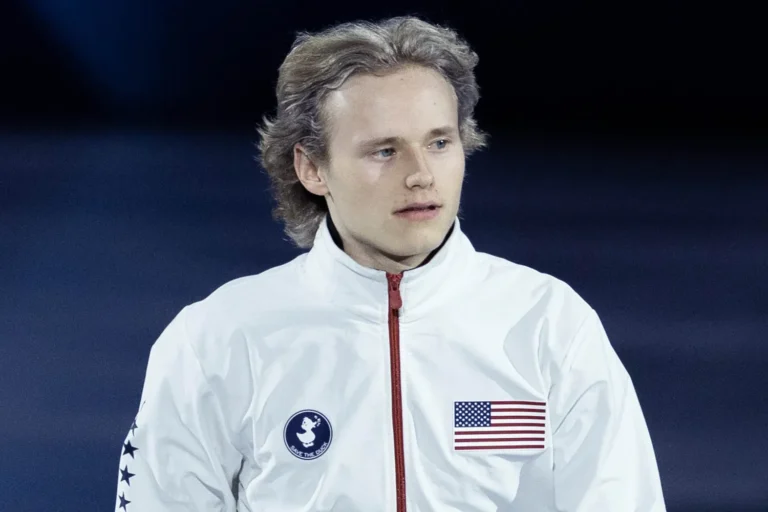
On the world’s biggest stage, even the strongest athletes can falter — and for Ilia Malinin, the 2026 Winter Olympics became a deeply personal reckoning with pressure, expectation, and the unseen toll of online abuse.
After falling twice during his free skate in the men’s singles competition at the 2026 Winter Olympics, Malinin is speaking candidly about how mental health challenges and “vile online hatred” contributed to his devastating performance.
“On the world’s biggest stage, those who appear the strongest may still be fighting invisible battles on the inside,” the two-time world champion wrote in a heartfelt Instagram post three days after the event. “Even your happiest memories can end up tainted by the noise.”
A Night That Changed the Narrative
At just 21 years old, Malinin entered Milano Cortina as the overwhelming favorite. Nicknamed the “Quad God” for his historic technical arsenal — including the famed quad axel — he carried a five-point lead from the short program into the final.
But during his free skate, the momentum shifted dramatically. After successfully landing a quad flip, Malinin bailed out of his signature quad axel, opting for a single axel instead. He then fell on a quad Lutz attempt and again on a later jump.
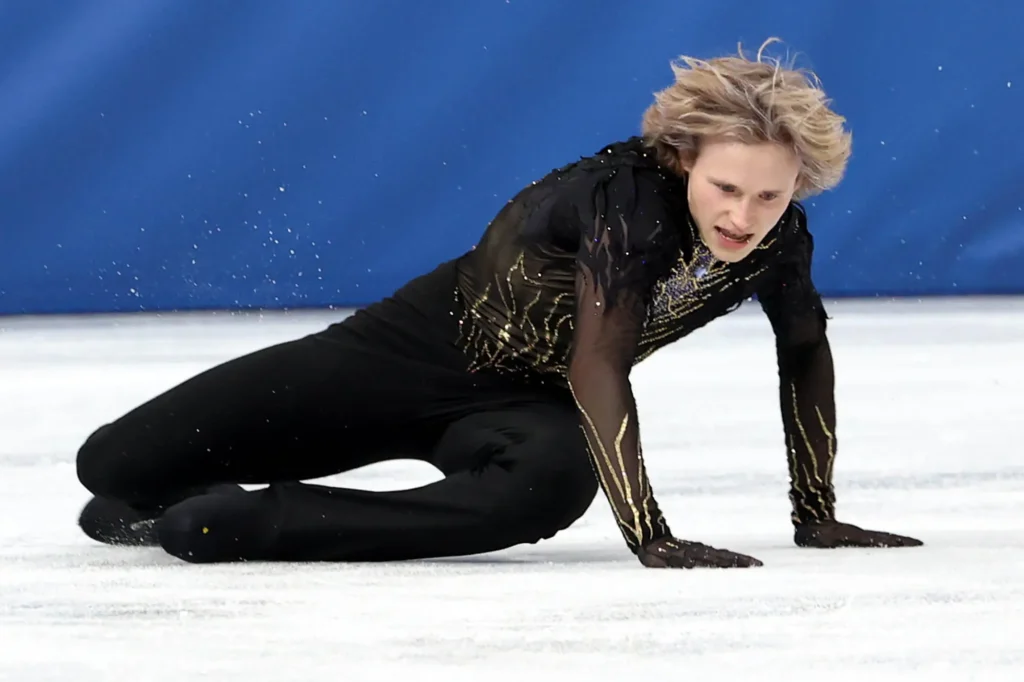
The final score — 156.33 — was far below the 200-point marks he routinely achieves in free skate competitions and a stark contrast to the world-record 238.24 he set just months earlier. He ultimately finished eighth, ending a winning streak that had stretched back to 2023.
“I blew it,” Malinin admitted to reporters moments after stepping off the ice. “That’s honestly the first thing that came to my mind.”
Kazakhstan’s Mikhail Shaidorov claimed gold, while Japan’s Yuma Kagiyama earned silver and teammate Shun Sato secured bronze.
The Weight of Expectation
Malinin later acknowledged that overwhelming nerves clouded his focus before the routine even began.
“I just had so many thoughts and memories flood right before I got into my starting pose,” he told NBC Washington. “I think it maybe overwhelmed me a little bit. I’ve been through a lot in my life, a lot of bad and good experiences.”
He added, “The pressure of the Olympics, it’s really something different, and I think not a lot of people understand that.”
In his Instagram statement, Malinin went further, describing the psychological toll of online criticism.
“Vile online hatred attacks the mind and fear lures it into the darkness, no matter how hard you try to stay sane through the endless insurmountable pressure,” he wrote. “It all builds up as these moments flash before your eyes, resulting in an inevitable crash. This is that version of the story.”
The post featured a montage of his career triumphs — including gold at the 2024 World Championships in Montreal and victories on the ISU Grand Prix circuit — serving as a reminder of the champion behind the stumble.
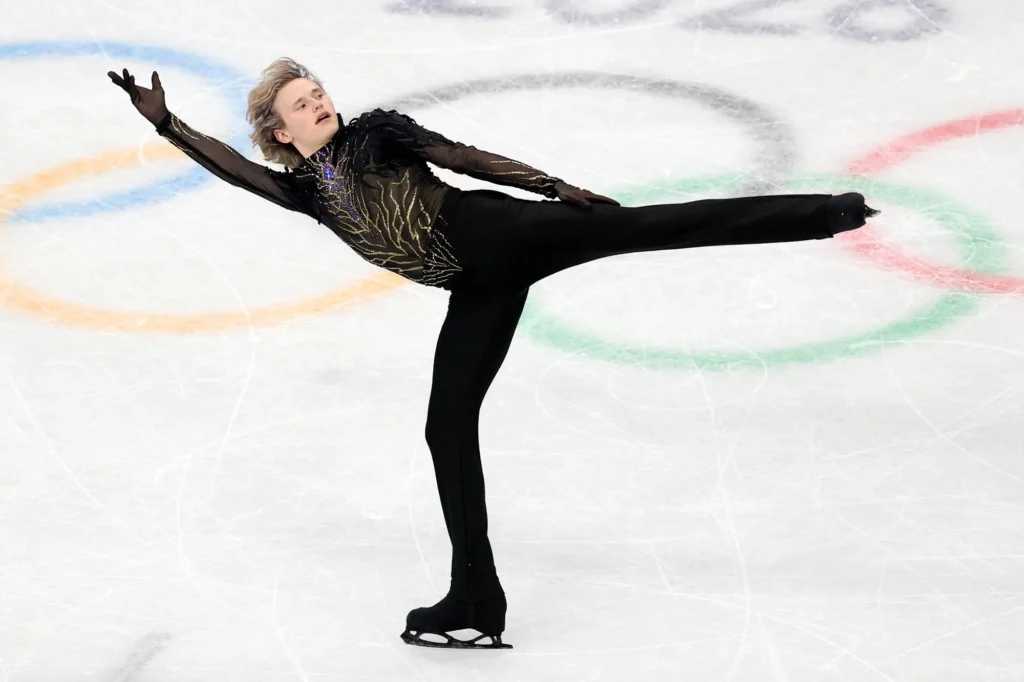
Resilience Beyond the Fall
Despite the setback, Malinin’s Olympic journey is far from over. He confirmed he will perform in the exhibition gala on February 21, the celebratory finale of the Games. While he did not medal in the individual event, he secured gold as part of Team USA in the team competition.
Looking ahead, the young skater has also committed to defending his title at next month’s World Championships in Prague.
Malinin’s candid reflection highlights a growing conversation in elite sport: that mental resilience does not mean immunity from vulnerability. Beneath the polished routines and gravity-defying jumps, athletes carry immense emotional burdens — magnified by global scrutiny and digital commentary.
For Ilia Malinin, Milano Cortina 2026 may not have delivered the gold medal many expected. But his willingness to confront pressure, acknowledge pain, and return to the ice speaks to a different kind of strength — one that endures long after the final score is posted.