


A Christmas Eve jazz tradition unravels amid political controversy, artistic protest, and a high-stakes response from the nation’s premier performing arts institution
The Kennedy Center, long regarded as a nonpartisan beacon of American arts and culture, has found itself at the center of a heated political and cultural dispute following the abrupt cancellation of a Christmas Eve concert and an unprecedented demand for damages from the venue’s president.
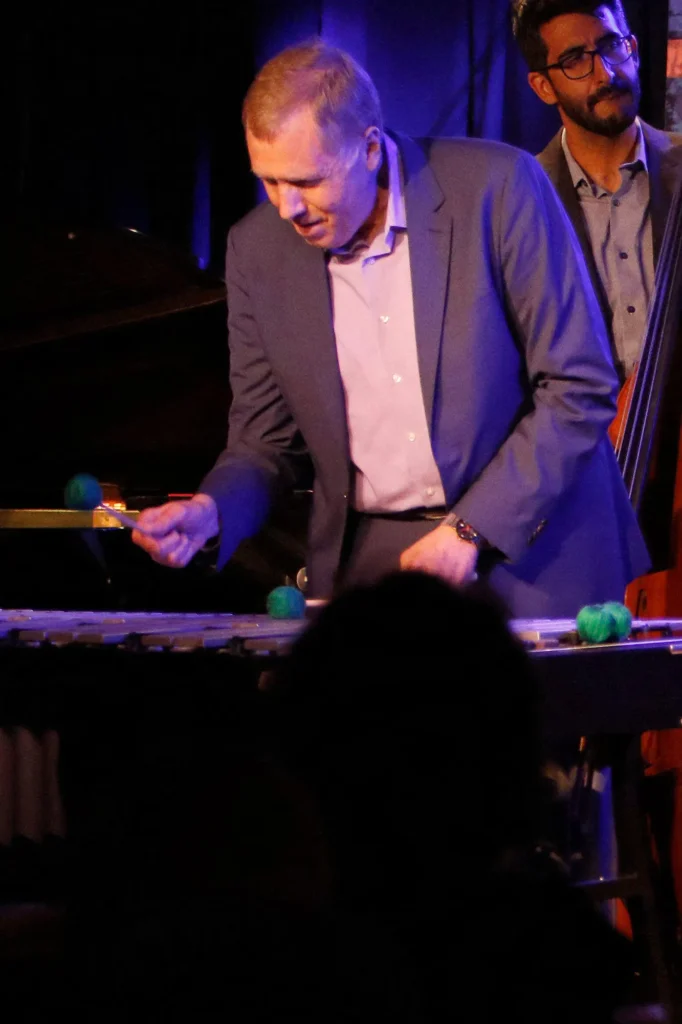
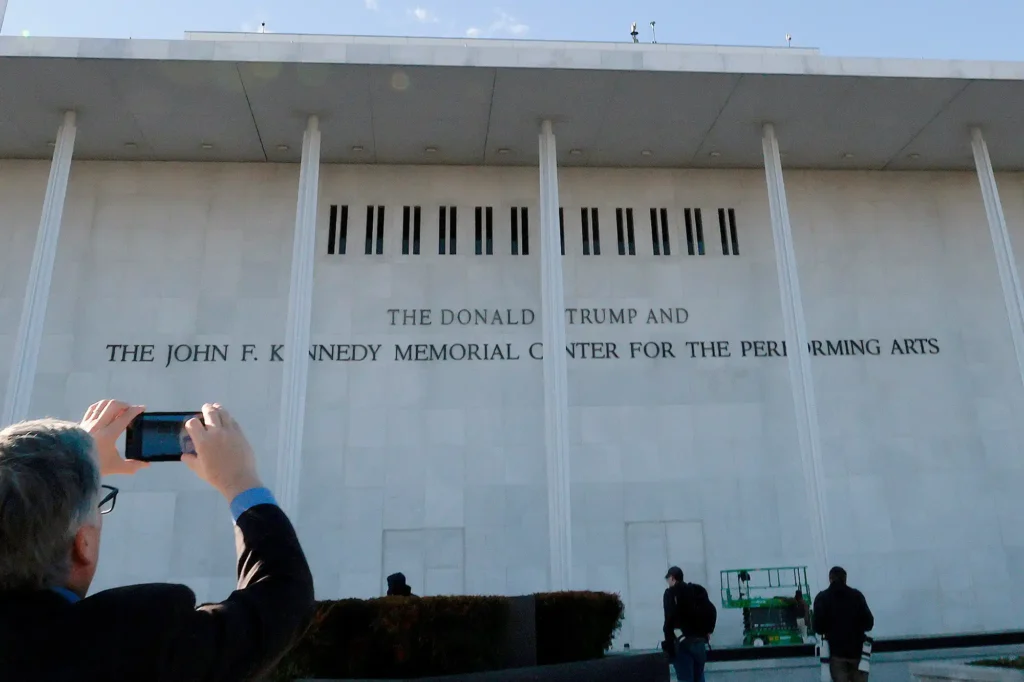
Chuck Redd — a respected jazz drummer and vibraphone player who has hosted the Kennedy Center’s annual Christmas Jazz Jam for nearly two decades — withdrew from the 2024 performance just days before it was set to take place. His decision came in direct response to a controversial change to the institution’s name, which now includes a reference to former President Donald J. Trump alongside its original dedication to President John F. Kennedy.
The fallout was swift and severe.
In a sharply worded letter shared with Entertainment Weekly, Kennedy Center president Richard Grenell demanded $1 million in damages from Redd, accusing him of intolerance, political grandstanding, and causing significant financial harm to the nonprofit arts institution.
“Your decision to withdraw at the last moment — explicitly in response to the Center’s recent renaming, which honors President Trump’s extraordinary efforts to save this national treasure — is classic intolerance and very costly to a non-profit Arts institution,” Grenell wrote.
Grenell further alleged that the concert was already struggling with ticket sales and donor support, claiming that Redd’s cancellation compounded those losses. “This is your official notice that we will seek $1 million in damages from you for this political stunt,” the letter stated, while emphasizing that the Kennedy Center “will not yield to pressure tactics being directed at us from political performers.”
Redd, however, has stood firmly by his decision.
Having performed at the Kennedy Center since the early days of his career, Redd told the Associated Press that seeing Trump’s name added to the building and website was deeply upsetting. “When I saw the name change on the Kennedy Center website and then hours later on the building, I chose to cancel our concert,” he said. In a separate email to CNN, he added, “I’ve been performing at the Kennedy Center since the beginning of my career. I was saddened to see this name change.”
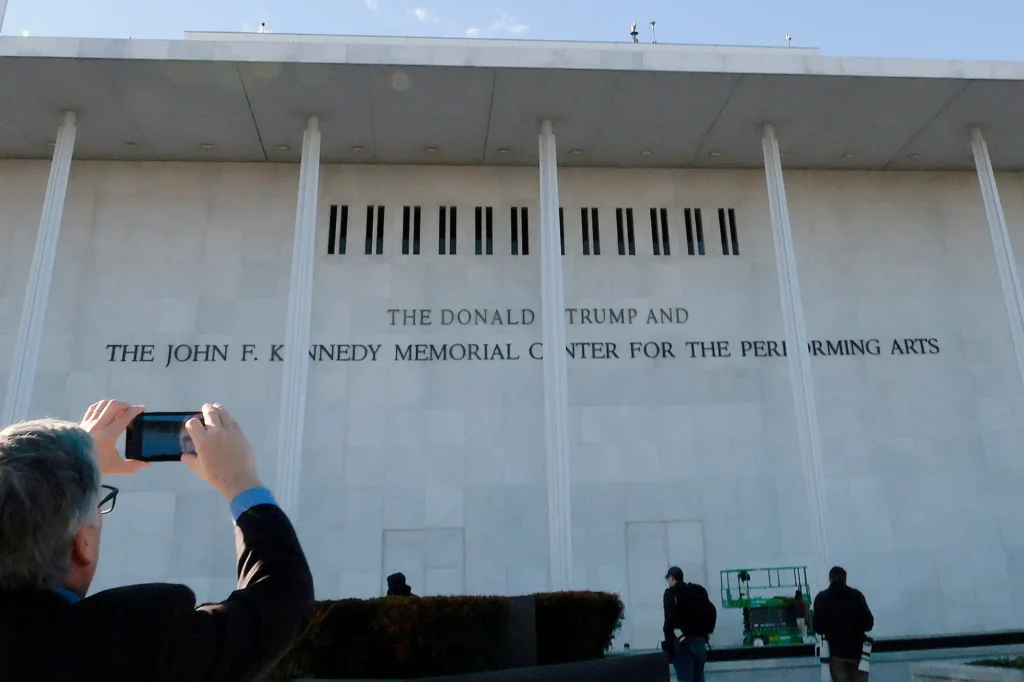
The renaming itself has ignited widespread backlash. Originally established as a living memorial to President John F. Kennedy following his assassination in 1963, the center was formally designated by Congress in 1964 with the intent that it honor Kennedy alone. The recent addition of “The Donald J. Trump and” above Kennedy’s name on the building’s exterior has prompted protests, criticism from artists, and legal challenges.
Among those pushing back is Democratic Ohio Representative Joyce Beatty, who has introduced a lawsuit against the Kennedy Center’s board of trustees, arguing that federal law prohibits the institution from being turned into a memorial for anyone other than Kennedy.
Despite the growing controversy, the Kennedy Center’s leadership has doubled down. In a statement to Entertainment Weekly, Roma Daravi, vice president of public relations, condemned artists who cancel performances over political disagreements. “Any artist canceling their show at the Trump Kennedy Center over political differences isn’t courageous or principled — they are selfish, intolerant, and have failed to meet the basic duty of a public artist: to perform for all people,” the statement read.
As the dust settles, the dispute raises broader questions about the intersection of art, politics, and public institutions. What was once a cherished holiday tradition has now become a flashpoint in a national debate — one that pits artistic conscience against institutional authority, and cultural legacy against political realignment.
For now, the Kennedy Center’s Christmas Eve concert is silent, replaced by a far louder conversation about identity, history, and who gets to define the soul of America’s most iconic stages.