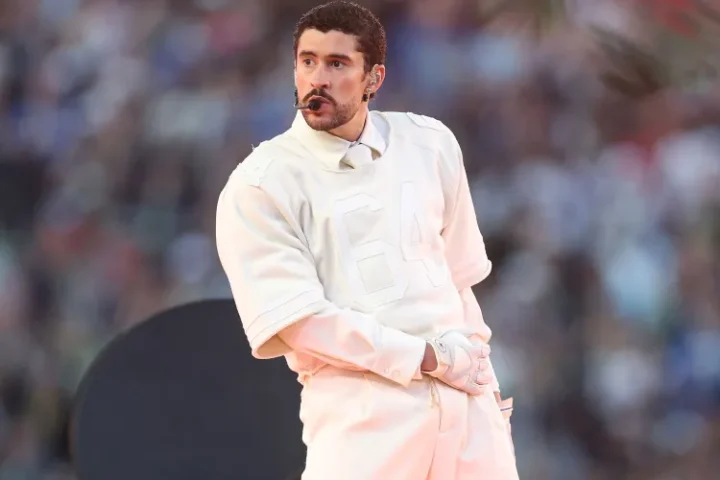




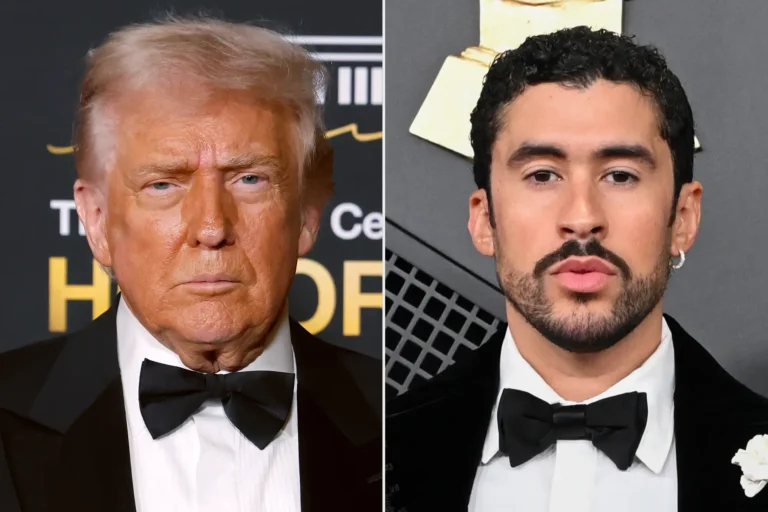
Former U.S. President Donald Trump has publicly denounced Bad Bunny’s historic Super Bowl 2026 Apple Music Halftime Show, labeling the performance “absolutely terrible” and claiming it failed to meet what he described as America’s standards of success, creativity, and excellence.
Trump shared his reaction late Sunday night in a post on Truth Social, following the Puerto Rican superstar’s headline performance at Levi’s Stadium in Santa Clara, California, where Bad Bunny became the first artist to deliver a Super Bowl halftime show entirely in Spanish. The set featured a medley of the Grammy-winning artist’s hits and included high-profile guest appearances by Lady Gaga and Ricky Martin.
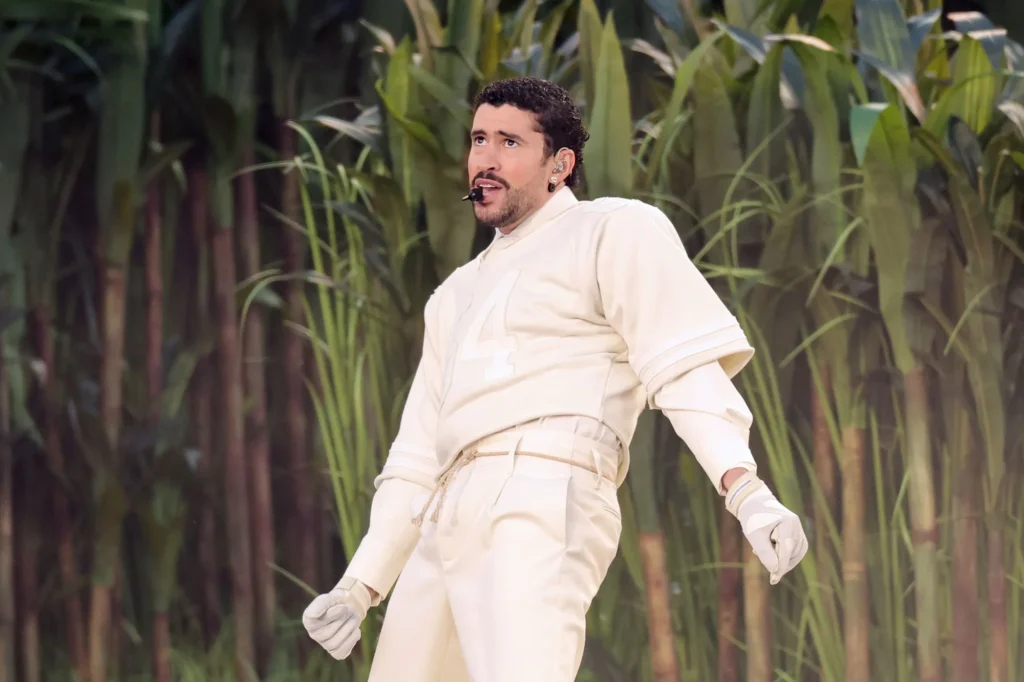
In his post, Trump did not hold back.
“The Super Bowl Halftime Show is absolutely terrible, one of the worst, EVER!” he wrote. “It makes no sense, is an affront to the Greatness of America, and doesn’t represent our standards of Success, Creativity, or Excellence.”
He went on to criticize the language and choreography of the performance, stating:
“Nobody understands a word this guy is saying, and the dancing is disgusting, especially for young children that are watching from throughout the U.S.A., and all over the World.”
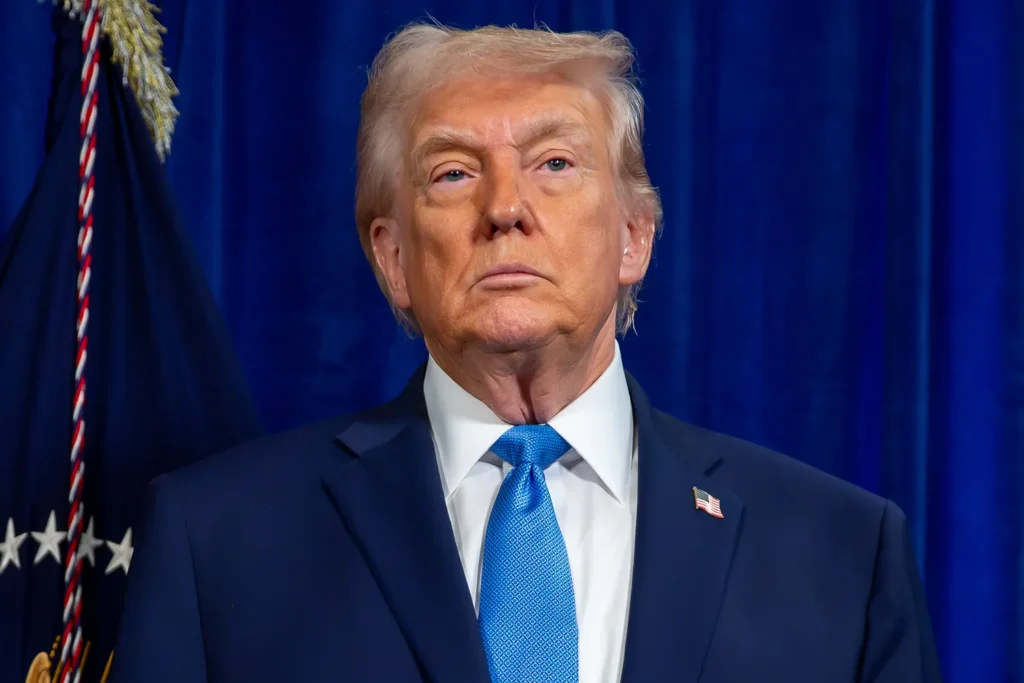
Bad Bunny, born Benito Antonio Martínez Ocasio, performed exclusively in Spanish—a point that has drawn both praise and criticism. Notably, Puerto Ricans are American citizens, as Puerto Rico is a U.S. territory, a fact underscored by many supporters in response to Trump’s remarks.
Trump used the post to pivot from cultural commentary to economic messaging, framing the performance as a broader slight against the country.
“This ‘Show’ is just a ‘slap in the face’ to our Country, which is setting new standards and records every single day — including the Best Stock Market and 401(k)s in History!” he wrote.
He concluded by accusing the media of misplaced praise and reiterating his long-standing criticism of the NFL, adding that the league should “immediately replace its ridiculous new Kickoff Rule,” echoing complaints he made during the previous season.
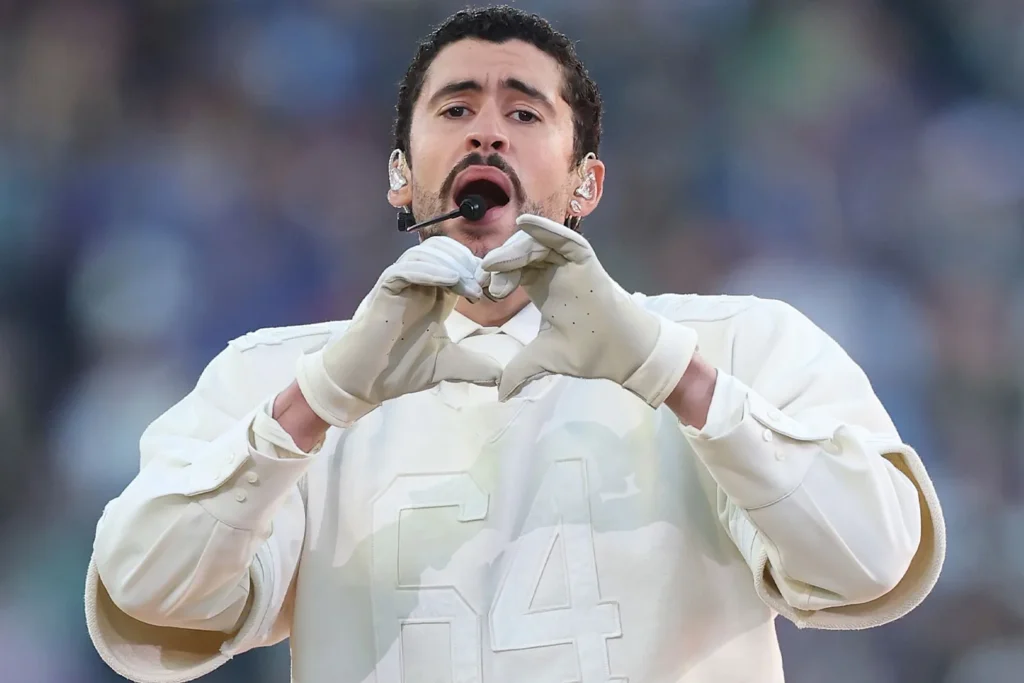
Trump’s objections were not new. He previously questioned Bad Bunny’s selection as the halftime performer during an appearance on NewsMax’s Greg Kelly Reports in October, where he admitted unfamiliarity with the artist.
“I’ve never heard of him,” Trump said at the time. “I don’t know who he is. I don’t know why they’re doing it. It’s crazy.”
He suggested the decision was the result of outside influence, a likely reference to Roc Nation, Jay-Z’s entertainment company, which has partnered with the NFL since 2019 and oversees halftime show selections.
Although Trump made history as the first sitting president to attend a Super Bowl in 2025, he chose not to attend the 2026 game, citing travel distance. Despite skipping the event, he remained vocal in its aftermath—also criticizing Green Day, who performed during the opening ceremony.
“I’m anti-them,” Trump said. “I think it’s a terrible choice. All it does is sow hatred.”
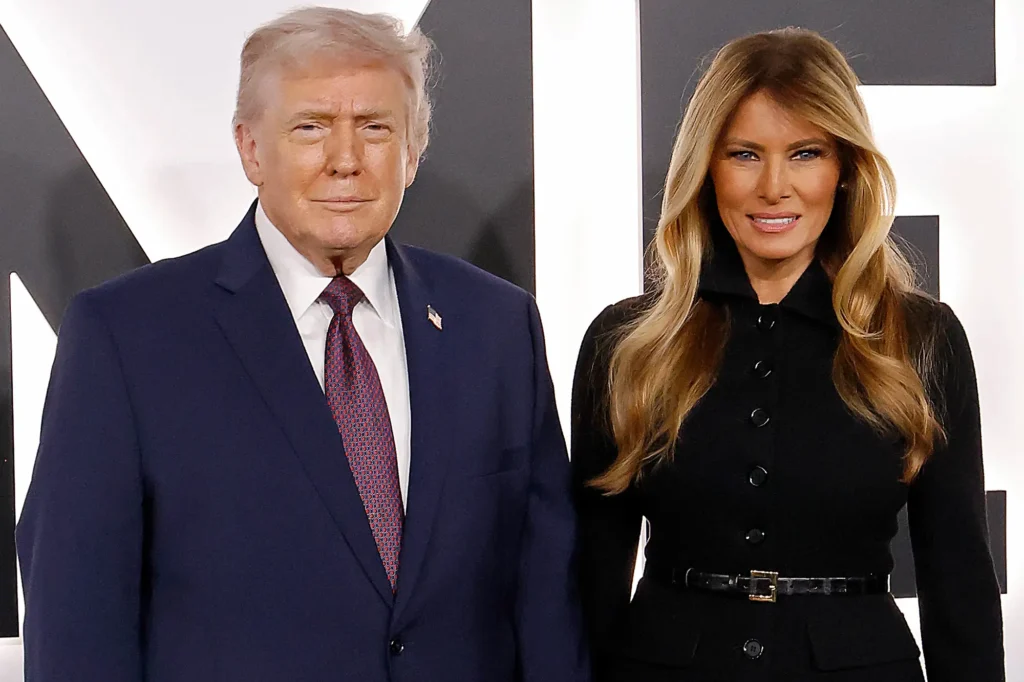
The Super Bowl controversy follows Trump’s recent criticism of other major cultural events. Earlier this month, he slammed the 2026 Grammy Awards, calling the broadcast “virtually unwatchable” and sharply attacking host Trevor Noah. Trump was particularly incensed by a joke referencing his alleged association with sex trafficker Jeffrey Epstein, which Noah delivered following Billie Eilish’s Song of the Year win.
Trump vehemently denied the claim, calling it false and defamatory, and later threatened legal action against Noah.
The backlash against Bad Bunny’s halftime selection extended beyond rhetoric. The right-wing organization Turning Point USA organized an alternative event dubbed the “All-American Halftime Show,” featuring Kid Rock, Brantley Gilbert, Lee Brice, and Gabby Barrett. The event was promoted as a celebration of “faith, family, and freedom.”
Promotional materials for the counterprogram included a survey asking audiences which genres they preferred, offering choices such as “Pop,” “Worship,” “Americana,” and notably, “Anything in English”—a phrase widely interpreted as a pointed response to Bad Bunny’s Spanish-language performance.
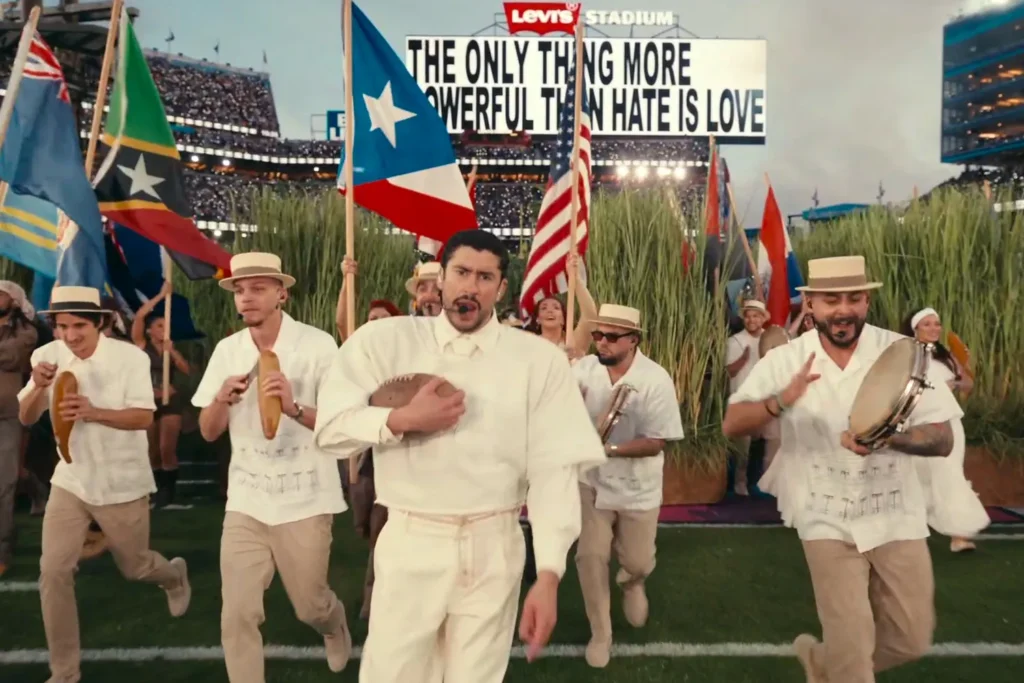
While critics like Trump condemned the show, Bad Bunny’s halftime performance was widely celebrated by fans and cultural commentators as a landmark moment for Latin representation on a global stage. The polarizing reactions underscored the deeper cultural tensions surrounding language, identity, and who gets to define “American” culture at one of the country’s most-watched events.
Whether viewed as controversial or groundbreaking, Bad Bunny’s Super Bowl 2026 halftime show did more than entertain—it ignited a national conversation that extended far beyond the field.