





The upcoming biographical film Michael, centered on the life of Michael Jackson, is already generating significant buzz ahead of its premiere—positioned as a potential box office success of 2026. Yet, alongside the anticipation, the film has ignited a wave of controversy, particularly over its decision to exclude the sexual abuse allegations that shaped much of the latter part of Jackson’s life.
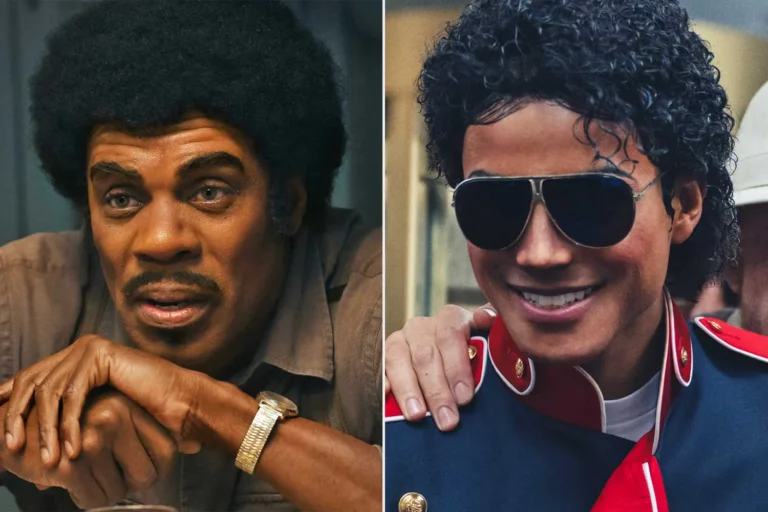
Addressing the growing criticism, actor Colman Domingo, who portrays Jackson’s father Joe in the film, offered a clear defense of the creative direction during a televised interview. Joined by co-star Nia Long, who plays Katherine Jackson, Domingo emphasized that the film’s narrative scope is intentionally محدد—ending in 1988, years before the first allegations surfaced.
A Story Framed by Time and Perspective
Speaking on Today with co-anchor Craig Melvin, Domingo addressed concerns that the film “whitewashed” controversial aspects of Jackson’s history.
“The film takes place from the ’60s to 1988,” Domingo explained, underscoring that the story focuses on Jackson’s formative years rather than his later controversies. “We center it on the makings of Michael. It’s an intimate portrait of who Michael is.”
Long echoed this perspective, suggesting that the narrative unfolds “through his eyes,” offering a subjective, artist-focused lens rather than a comprehensive biographical account. Domingo reinforced the point, adding that the film is fundamentally about Jackson’s upbringing, creative journey, and search for identity as an artist.
He also hinted at the possibility of a sequel that could explore later chapters of Jackson’s life, though no official confirmation has been made.
The Allegations and Historical Context
The controversy surrounding the film stems from its omission of well-documented allegations that emerged in the 1990s and 2000s.
In 1993, Evan Chandler accused Jackson of sexually abusing his 13-year-old son, Jordan Chandler. The case led to a $30 million lawsuit and a subsequent investigation, which concluded after a settlement. A grand jury later declined to indict Jackson.
A decade later, allegations resurfaced following the documentary Living with Michael Jackson, which featured claims by another minor, Gavin Arvizo. This led to criminal charges against Jackson, culminating in a highly publicized 2005 trial, where he was ultimately acquitted on all counts.
These events, along with additional allegations detailed in the 2019 docuseries Leaving Neverland directed by Dan Reed, remain central to ongoing debates about Jackson’s legacy.
Creative Choices and Legal Constraints
Reports suggest that the exclusion of these allegations from Michael may not be purely a creative decision. According to industry sources, a clause in the Chandler settlement reportedly restricts the depiction or mention of Jordan Chandler in film projects.
Initially, director Antoine Fuqua had intended to include this period in the narrative, even filming scenes depicting investigations at Jackson’s Neverland Ranch. However, once the legal limitations were identified, the film was restructured to omit those elements entirely.
Fuqua has also publicly cast doubt on some of the accusations, suggesting that financial motives may have influenced certain claims—remarks that have further fueled debate around the film’s portrayal.
Industry Reaction and Critical Voices
Not everyone has welcomed the film’s approach. Dan Reed, whose Leaving Neverland reignited global scrutiny of the allegations, has been particularly critical, describing the project as an attempt to “rewrite” and dismiss serious claims.
This divide reflects a broader tension within the entertainment industry: how to balance artistic storytelling, historical accountability, and legal constraints when portraying complex and controversial figures.
Anticipation Amid Controversy
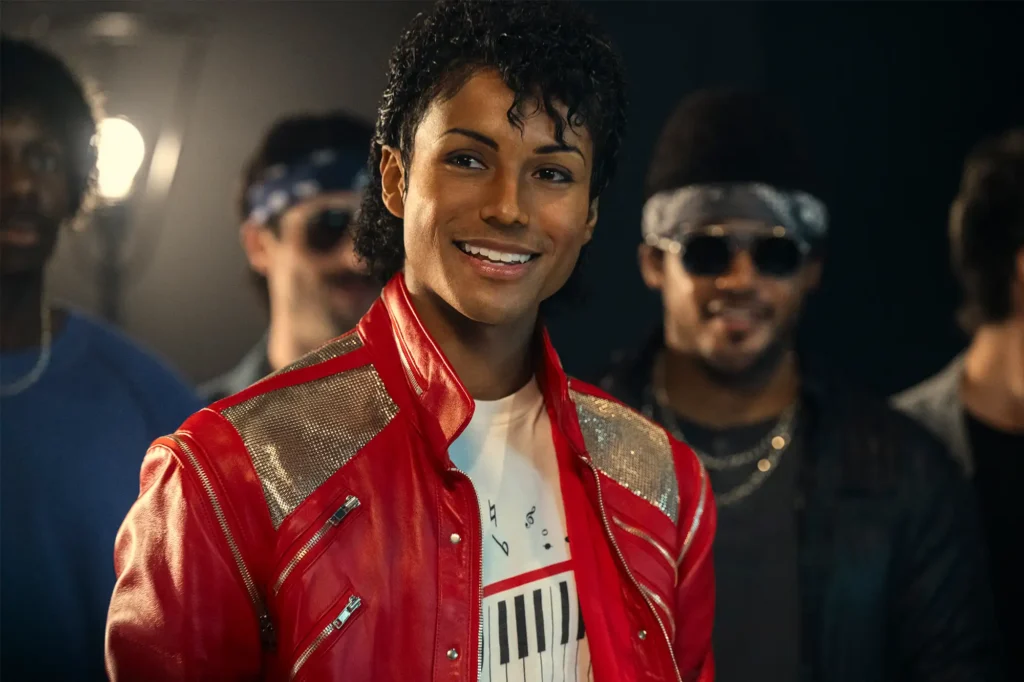
Despite the criticism, Michael continues to build momentum ahead of its release. Starring Jaafar Jackson—the late singer’s nephew—the film offers a deeply personal portrayal, grounded in family perspective and artistic legacy.
While its commercial prospects remain strong, the conversation surrounding the film highlights a deeper question: can any single narrative fully capture the life of a figure as influential—and as contested—as Michael Jackson?
A Story Still Unfolding
As audiences prepare to experience Michael, the debate surrounding its scope and omissions underscores the enduring complexity of Jackson’s legacy. For supporters, the film represents a celebration of artistic brilliance and personal evolution. For critics, it raises concerns about selective storytelling and historical omission.
Ultimately, the film’s impact will extend beyond the screen—shaping not only public perception of a cultural icon but also the broader conversation about how stories are told, remembered, and challenged in modern cinema.