




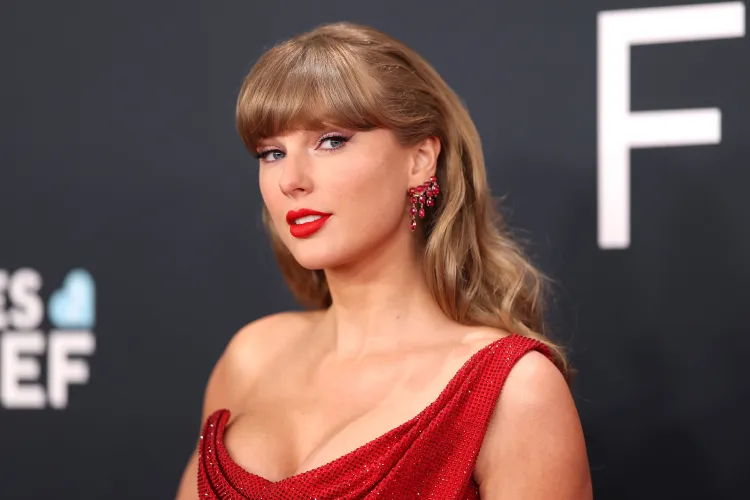
A clause introduced by Taylor Swift in her 2018 recording agreement with Universal Music Group (UMG) is now delivering tangible financial benefits to artists—highlighting the long-term impact of artist-led advocacy in the evolving music industry.
As part of its first-quarter 2026 financial results, UMG announced plans to sell half of its equity stake in Spotify—a holding valued at approximately €2.7 billion (around $3.15 billion). The proceeds from the sale will be used to enhance shareholder value through a share buyback programme, while also being distributed to artists in line with Swift’s contractual condition.
A Contract Clause That Changed the Rules
When Swift signed her landmark deal with UMG in 2018, she negotiated a forward-thinking provision: if the company ever sold its Spotify shares, artists would receive a portion of the proceeds—and importantly, these payments would be non-recoupable, meaning they would not be deducted from existing artist balances.
At the time, Swift described the agreement as a step toward “positive change for creators,” reinforcing her long-standing commitment to fair compensation in the streaming era.
Today, that clause is being activated, turning a contractual detail into a significant financial event for artists across UMG’s global roster.

UMG’s Strategic Move and Financial Growth
UMG’s decision comes alongside a strong start to 2026, with the company reporting solid growth across its core business segments. The move to monetize part of its Spotify stake reflects a broader strategy to balance investment, innovation, and shareholder returns.
Sir Lucian Grainge, Chairman and CEO of UMG, emphasized the company’s commitment to long-term value creation, stating that its growth is driven by attracting top talent, engaging global audiences, and investing in emerging areas of the industry.
He also highlighted the importance of protecting artists and songwriters while embracing innovation during a pivotal period for music.
Chief Financial Officer Matt Ellis noted that the sale of Spotify shares and the expansion of the company’s share buyback programme are designed to enhance shareholder value while maintaining flexibility for future growth.
A Win for Artists in the Streaming Era
The decision to share proceeds with artists marks a significant shift in how value is distributed within the music industry. Historically, such equity gains were not always passed on to creators. Swift’s clause ensures that artists benefit directly from the success of platforms that rely on their work.
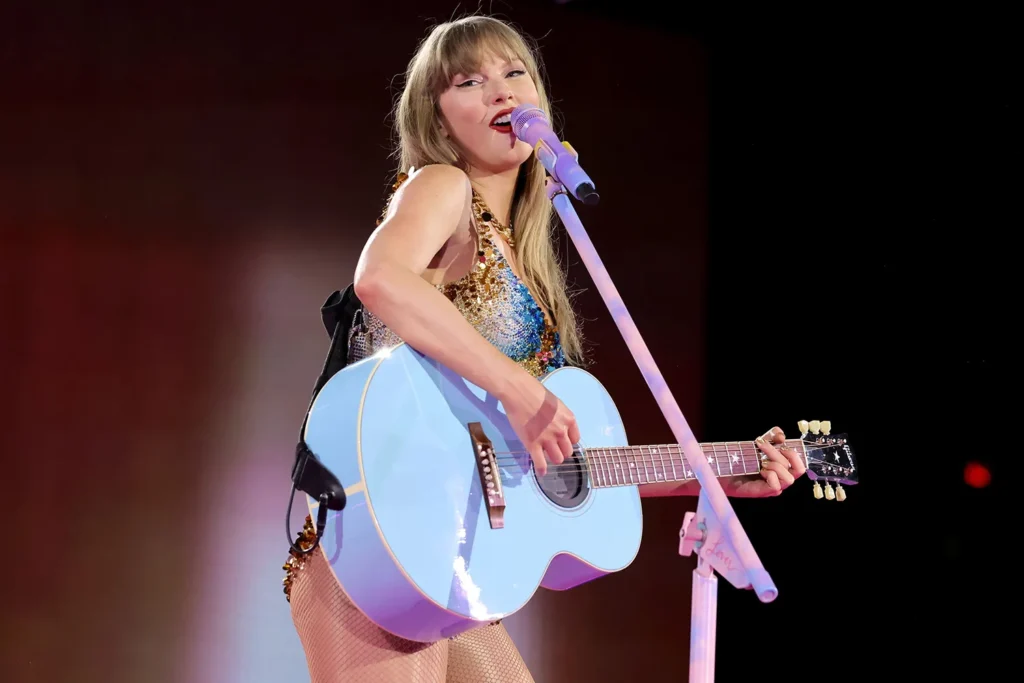
This development aligns with broader conversations about artist compensation in the streaming age—an issue Swift has consistently championed. She previously made headlines by temporarily removing her music from Spotify over concerns about streaming economics and successfully advocated for artist payments during Apple Music’s free trial period in 2015.
Shaping the Future of Music Economics
The activation of Swift’s 2018 contract clause underscores the growing influence artists can have in shaping industry practices. It also signals a shift toward more equitable models where creators share in the financial upside of the platforms and partnerships that define modern music distribution.
As UMG continues to evolve its strategy and the streaming landscape matures, this moment stands as a powerful example of how strategic negotiation and advocacy can drive meaningful change.
For artists worldwide, it represents not just a payout—but a precedent.